Enhance Your CRM’s Security with Premium Server Hosting Solutions. Your CRM is the lifeblood of your business, but its security is often overlooked. Hackers are constantly looking for weak points. Premium server hosting isn’t just about speed; it’s about robust security measures that protect your valuable data and keep your business running smoothly. From encryption and access controls to regular audits and disaster recovery plans, we’ll explore how premium hosting solutions can significantly bolster your CRM’s security posture, keeping your data safe and your business thriving.
This comprehensive guide delves into the crucial aspects of safeguarding your CRM data. We’ll explore vulnerabilities, highlight the importance of premium hosting, and detail how to integrate security features seamlessly. Protecting your CRM is paramount in today’s digital landscape, and this guide provides actionable strategies to ensure your system is as secure as possible.
Introduction to CRM Security
Customer Relationship Management (CRM) systems are the heart of many businesses today, holding invaluable customer data. However, this data, if compromised, can lead to significant financial and reputational damage. Protecting your CRM from vulnerabilities is crucial for maintaining customer trust and ensuring business continuity.CRM security vulnerabilities stem from various interconnected factors, ranging from outdated software and inadequate security protocols to poorly trained employees and external threats like hacking attempts.
A single point of failure can expose sensitive information, leading to everything from data breaches to significant financial losses and regulatory penalties. This necessitates robust security measures to mitigate these risks.
CRM Security Vulnerabilities
CRM systems are susceptible to a variety of attacks, exploiting weaknesses in their architecture and implementation. These vulnerabilities can stem from various sources, including software flaws, misconfigurations, and even human error. A weak password policy, for example, can allow unauthorized access to critical data.
Importance of Robust Security Measures
Robust security measures are paramount for safeguarding CRM systems. These measures should encompass multiple layers of protection, including strong authentication, data encryption, and regular security audits. Implementing a layered approach helps create a robust defense against a wide range of threats. This multi-layered security approach minimizes the impact of any single vulnerability.
Examples of Common CRM Security Breaches
Data breaches targeting CRM systems are unfortunately not uncommon. One common example involves phishing attacks that trick employees into revealing login credentials. Another example is the exploitation of software vulnerabilities to gain unauthorized access. Furthermore, inadequate data encryption can expose sensitive customer information if a system is compromised. These incidents can severely impact a business’s reputation and bottom line.
Benefits of Enhanced CRM Security
Strengthening CRM security provides numerous advantages. It protects sensitive customer data, maintaining customer trust and loyalty. This trust translates into improved business relationships. Stronger security also reduces the risk of financial losses and reputational damage associated with security breaches. A robust security posture fosters a culture of trust and data protection within the organization.
Comparison of CRM Security Threats
| Threat Type | Description | Impact | Mitigation Strategies |
|---|---|---|---|
| Phishing Attacks | Attempts to trick users into revealing sensitive information like login credentials. | Unauthorized access, data breaches. | Implement strong password policies, user training on phishing awareness, and multi-factor authentication. |
| Malware Infections | Malicious software that compromises systems and steals data. | Data breaches, system disruptions. | Employ robust antivirus software, regularly update systems, and enforce secure software configurations. |
| SQL Injection Attacks | Exploits vulnerabilities in database queries to gain unauthorized access. | Data breaches, database manipulation. | Implement parameterized queries, validate user input, and use prepared statements. |
| Denial-of-Service (DoS) Attacks | Overwhelms the system with traffic, preventing legitimate users from accessing it. | System downtime, loss of productivity. | Implement firewalls, intrusion detection systems, and load balancing strategies. |
Understanding Premium Server Hosting
Premium server hosting isn’t just about better hardware; it’s about a dramatically improved experience for your CRM. Imagine a CRM that’s always up, always fast, and always secure. That’s the power of premium server hosting. It’s the difference between a CRM that’s a valuable asset and one that’s a frustrating bottleneck. This shift is crucial for scalability and maintaining a seamless user experience, especially as your business grows and your CRM data expands.Premium server hosting solutions are designed to provide dedicated resources for your CRM, ensuring optimal performance, security, and reliability.
This level of control and customization is crucial for managing sensitive customer data and maintaining a professional image. You’re no longer sharing resources with other users, which can lead to unpredictable performance fluctuations.
Advantages of Premium Server Hosting for CRM
Premium server hosting offers a range of advantages that translate directly to a more robust and reliable CRM system. These advantages include consistent performance, enhanced security, and greater control over your environment.
- Consistent Performance: Dedicated servers provide uninterrupted access to your CRM, eliminating the performance fluctuations that can occur on shared hosting environments. This means your users will experience a consistently fast and responsive CRM, leading to improved productivity and satisfaction.
- Enhanced Security: Dedicated servers allow for customized security configurations, crucial for protecting sensitive customer data. You have more control over firewalls, intrusion detection systems, and other security measures, giving you a more secure environment compared to shared hosting.
- Greater Control: You have full control over the server’s configuration and software. This lets you tailor the environment to your specific CRM needs and potential future expansions.
Technical Specifications of Suitable Server Hardware
The specific hardware requirements for your premium server hosting depend on your CRM’s size, complexity, and anticipated future growth. However, key factors include processing power, RAM, storage capacity, and network connectivity.
- Processing Power (CPU): A powerful CPU is essential for handling the computational demands of your CRM, especially when dealing with large datasets or complex queries. A high-core count and high clock speed CPU is crucial for a fast CRM.
- RAM (Memory): Sufficient RAM ensures that your CRM can handle multiple users and tasks simultaneously without experiencing performance bottlenecks. Higher RAM capacity enables a more fluid user experience.
- Storage Capacity: Adequate storage space is critical to accommodate your CRM data and potential future growth. Consider using solid-state drives (SSDs) for faster data access.
- Network Connectivity: High-speed network connections are essential for fast data transfer rates and responsiveness. High bandwidth ensures a seamless experience for users, especially for those in geographically dispersed locations.
Comparison of Premium Server Hosting and Shared Hosting
The fundamental difference between premium server hosting and shared hosting lies in resource allocation and control. Shared hosting distributes resources among multiple users, which can lead to performance inconsistencies. Premium hosting provides dedicated resources, resulting in more predictable and consistent performance.
| Feature | Premium Server Hosting | Shared Hosting |
|---|---|---|
| Resources | Dedicated resources (CPU, RAM, storage) | Shared resources |
| Performance | Consistent, predictable performance | Variable, potentially slow |
| Security | Enhanced security controls | Potentially compromised security |
| Control | Full control over server configuration | Limited control |
| Cost | Higher upfront cost | Lower upfront cost |
Integrating Security and Hosting
So, you’ve got your CRM, now you need to make sure it’s safe. Premium server hosting isn’t just about speed and storage; it’s a critical component of your security strategy. Choosing the right provider and configuring your setup correctly is paramount to protecting your data and maintaining business continuity. Let’s dive into the nitty-gritty of integrating security with your premium server.Premium hosting providers understand the importance of security.
They offer a range of features specifically designed to protect your CRM data from cyber threats. This goes beyond just basic firewalls; we’re talking about proactive measures that keep your system resilient and your data safe.
Key Security Features of Premium Hosting Providers
Premium hosting providers offer a suite of security features that extend beyond the basic functionalities. These features are designed to safeguard your CRM data and ensure the integrity of your operations. They include robust firewalls, intrusion detection systems, regular security audits, and automatic software updates. These are not just added bonuses; they are crucial components of a comprehensive security strategy.
- Firewall Protection: A strong firewall acts as a gatekeeper, blocking unauthorized access attempts and malicious traffic. Modern firewalls often use sophisticated algorithms to identify and block threats in real-time, protecting your CRM data from various attacks. For instance, a firewall can prevent hackers from exploiting vulnerabilities in your CRM software by blocking their access attempts.
- Intrusion Detection and Prevention Systems (IDPS): IDPSs monitor network traffic for suspicious patterns and malicious activities. They can identify and block potential threats before they compromise your CRM system. This proactive approach is vital in preventing data breaches and maintaining the integrity of your data.
- Regular Security Audits: Premium hosting providers perform regular security audits to identify and address vulnerabilities in their infrastructure. This helps prevent potential threats and maintain the overall security posture of your server environment. Think of it as a routine check-up for your server to catch any potential problems early.
- Automatic Software Updates: Security updates are frequently released to address vulnerabilities. Premium hosting providers often automate the update process, ensuring your server software is always up-to-date and protected against known exploits. This proactive approach minimizes the risk of a security breach.
Implementing Security Measures on a Premium Server
Implementing security measures on a premium server involves more than just selecting the right hosting provider. It requires a proactive approach to configuration and maintenance. This involves understanding the specific features of your chosen hosting solution and configuring them to meet your CRM’s unique security needs. The process involves several critical steps that ensure the security of your server environment.
- Strong Passwords and Access Control: Implementing strong passwords for all accounts and restricting access to only authorized personnel are crucial security measures. Using strong passwords, multi-factor authentication, and limiting access to authorized personnel can prevent unauthorized access to your CRM data. Regularly changing passwords adds an extra layer of protection.
- Data Encryption: Encrypting sensitive data both in transit and at rest is essential. Data encryption scrambles data, making it unreadable to unauthorized individuals. Using encryption protocols for data transmission and storing data on an encrypted server can help protect sensitive information.
- Regular Backups: Regular backups are crucial for data recovery in case of system failures or security breaches. This is an important step in ensuring that your data is protected from any unexpected events.
Configuring a Secure Connection
A secure connection between your CRM and the server is essential to protect data transmitted between them. Using secure protocols, such as HTTPS, for all communications is crucial. This helps protect your data from interception and tampering. This involves setting up secure protocols and ensuring proper configuration.
- HTTPS Protocol: Using HTTPS for all communications ensures that data is encrypted during transmission, preventing unauthorized access and maintaining data confidentiality.
- VPN or Tunneling: Utilizing a Virtual Private Network (VPN) or other tunneling solutions can further enhance security by creating a secure encrypted connection between your CRM and the server.
Importance of Regular Security Audits and Updates
Regular security audits and updates are essential for maintaining a strong security posture. They help identify and address vulnerabilities proactively. This proactive approach minimizes the risk of a security breach and ensures the integrity of your CRM data. Security audits are like a preventative maintenance check for your server.
| Step | Action |
|---|---|
| Planning | Define scope, objectives, and resources. |
| Assessment | Identify vulnerabilities, risks, and potential threats. |
| Testing | Execute tests to validate identified vulnerabilities. |
| Reporting | Document findings, recommendations, and remediation steps. |
| Remediation | Implement corrective actions to address identified vulnerabilities. |
Enhanced Security Measures
Protecting your CRM data is crucial for maintaining customer trust and avoiding costly breaches. Implementing robust security measures isn’t just about installing fancy software; it’s about a layered approach that addresses various vulnerabilities. A strong security posture starts with a fundamental understanding of the risks and a proactive plan to mitigate them. By understanding the importance of encryption, access controls, intrusion detection, and multi-factor authentication, you can significantly reduce your CRM’s vulnerability.Implementing these measures ensures not only compliance with industry standards but also safeguards your company’s reputation and bottom line.
Data breaches can result in substantial financial losses, legal repercussions, and damage to your brand. Proactive security measures save you from these potential disasters.
Encryption for Data Protection
Encryption transforms data into an unreadable format, making it inaccessible to unauthorized users. This crucial step safeguards sensitive customer information, such as personal details, financial records, and intellectual property. Modern encryption algorithms, such as AES-256, offer robust protection against various attacks. Employing encryption throughout the data lifecycle, from storage to transmission, is paramount.
Access Controls and User Permissions
Implementing strict access controls is fundamental to limiting unauthorized access to your CRM. Granular user permissions allow you to define specific roles and privileges, restricting access to sensitive data based on the user’s job function. This ensures that only authorized personnel can view, modify, or delete critical information. For example, a sales representative shouldn’t have access to the company’s financial data, while an administrator should have complete access to all data.
Intrusion Detection and Prevention Systems (IDPS)
IDPS systems monitor network traffic and user activity for suspicious patterns. They can detect and prevent malicious attacks in real-time, safeguarding your CRM from unauthorized access attempts, malware, and other cyber threats. These systems are an essential part of a layered security approach, working in conjunction with other security measures. Implementing an IDPS can provide real-time alerts, allowing you to quickly address security incidents and prevent potential data breaches.
Best Practices for Securing CRM Data
Maintaining a secure CRM environment requires a combination of technical measures and good practices. These steps ensure data protection and reduce vulnerabilities.
- Regularly update software and operating systems. Out-of-date systems often have known vulnerabilities that attackers can exploit. Proactive updates patch these weaknesses.
- Employ strong, unique passwords for all accounts. This minimizes the risk of unauthorized access even if one account is compromised.
- Implement a data backup and recovery plan. This ensures that your data is safe in case of system failure or malicious attacks. A robust plan allows for quick restoration.
- Educate your employees on security best practices. This includes phishing awareness training to avoid social engineering attacks.
- Conduct regular security audits. These assessments identify vulnerabilities in your system and ensure that your security measures are up to date.
Multi-Factor Authentication (MFA) Implementation
Multi-factor authentication adds an extra layer of security by requiring multiple verification steps to access accounts. This significantly reduces the risk of unauthorized access, even if passwords are compromised. Common MFA methods include SMS codes, authenticator apps, and hardware tokens. Implementing MFA is a crucial step in protecting your CRM and sensitive data. For example, if a hacker obtains a password, they still won’t be able to access the account without the second factor of authentication.
Data Backup and Recovery: Enhance Your CRM’s Security With Premium Server Hosting Solutions
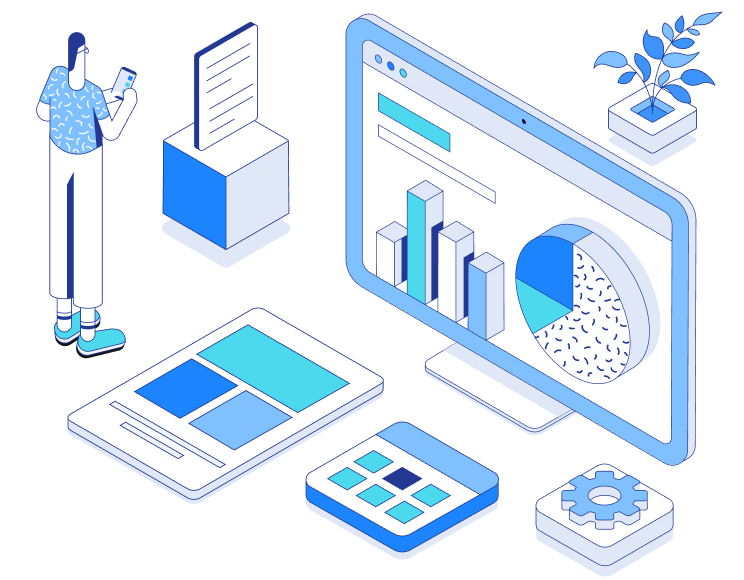
Your CRM is the heart of your business. Losing data from it can cripple operations, damage your reputation, and cost you a fortune. Regular data backups and a robust recovery strategy are non-negotiable for any serious business using a CRM system. A solid backup and recovery plan isn’t just about avoiding data loss; it’s about minimizing downtime, ensuring business continuity, and maintaining customer trust.Data loss can be catastrophic for any business.
A CRM system holds invaluable customer data, sales figures, and operational insights. Regular backups are crucial for safeguarding this information, preventing costly disruptions, and allowing quick recovery in case of data loss.
Upgrading your CRM’s security with top-tier server hosting isn’t just about preventing breaches; it’s about safeguarding your data. This directly impacts your ability to recover from potential disasters. Want to learn more about ensuring CRM data recovery with reliable server hosting? Check out this great resource: Ensuring CRM Data Recovery with Reliable Server Hosting. Ultimately, robust server hosting is a critical piece of the puzzle for a secure and resilient CRM system.
Importance of Regular Data Backups
Regular data backups are critical to minimizing the impact of unforeseen events, such as hardware failures, cyberattacks, or human errors. They provide a safety net, ensuring the business can quickly restore its operations and customer data. A robust backup strategy prevents irreversible data loss, enabling quick recovery and avoiding significant business disruption. This is especially important for CRM systems, where data is constantly being updated and critical for daily operations.
Backup and Recovery Strategies
Multiple backup and recovery strategies can be implemented, each with its own strengths and weaknesses. Full backups copy the entire database, while incremental backups copy only the changes since the last full backup. Differential backups copy only the changes since the last full backup. The best strategy depends on the specific needs of your business and CRM system.
A combination of these methods often provides the best balance of efficiency and data protection.
Role of Offsite Data Backups in Disaster Recovery
Offsite data backups are essential for disaster recovery. Keeping a copy of your data in a separate location (ideally geographically distant) safeguards against local disasters, like fires, floods, or power outages. This redundancy minimizes the risk of losing all your data if a disaster strikes your primary location. Offsite backups ensure business continuity and help you quickly recover from any data loss event.
Examples of Disaster Recovery Plans for CRM Systems
A robust disaster recovery plan for a CRM system includes clear procedures for restoring data, minimizing downtime, and contacting essential personnel. For example, a plan might include a checklist for data restoration, a contact list of key personnel for urgent situations, and a schedule for regular testing of backup procedures. A well-defined disaster recovery plan ensures swift restoration of operations in case of a data loss event.
Test your disaster recovery plan frequently to verify its effectiveness.
Different Backup and Recovery Solutions
| Backup Solution Type | Description | Advantages | Disadvantages ||—|—|—|—|| Cloud-based backups | Data is stored and backed up in a cloud storage service. | Easy accessibility, automatic backups, and scalable storage. | Reliance on internet connectivity, potential security concerns. || On-premises backups | Data is backed up on servers located within your physical infrastructure. | Full control over data and security.
Boosting your CRM’s security with top-tier server hosting is crucial. But, remember, choosing the right hosting isn’t just about security; it’s about scalability too. For example, check out Choosing Server Hosting to Enhance CRM Scalability to see how the right hosting can future-proof your CRM. Ultimately, a robust hosting solution safeguards your CRM data and allows for seamless growth, ensuring your CRM stays a powerful tool for years to come.
| Requires significant infrastructure investment and maintenance. || Hybrid backups | Combines cloud-based and on-premises backups. | Balances control and accessibility. | Can be more complex to manage. || Specialized CRM backup solutions | Software designed specifically for backing up CRM data.
| Optimized for CRM data structures, often offering advanced features. | Potential cost implications compared to general backup solutions. |
Compliance and Regulations
Your CRM isn’t just a tool; it’s a repository of sensitive data. This means robust security is paramount, and compliance with industry regulations is non-negotiable. Failing to meet these standards can lead to hefty fines, reputational damage, and even legal action. Premium server hosting solutions provide the infrastructure and controls necessary to ensure your CRM stays compliant.Premium hosting solutions, beyond just providing the server, actively support your compliance journey.
They often include features like advanced access controls, data encryption, and regular security audits. This proactive approach minimizes the risk of breaches and simplifies the process of demonstrating compliance to regulators.
Relevant Compliance Standards and Regulations
Numerous regulations and standards govern how organizations handle customer data. These include but are not limited to GDPR (General Data Protection Regulation), HIPAA (Health Insurance Portability and Accountability Act), PCI DSS (Payment Card Industry Data Security Standard), and CCPA (California Consumer Privacy Act). Each standard has specific requirements regarding data security, access controls, and data retention policies. Understanding and adhering to these regulations is critical to protecting your organization and your customers.
How Premium Hosting Facilitates Compliance
Premium hosting providers often offer features specifically designed to help meet compliance requirements. These include:
- Data encryption: Premium hosting providers typically employ robust encryption protocols (e.g., SSL/TLS) to protect data in transit and at rest. This safeguards sensitive information from unauthorized access.
- Regular security audits and penetration testing: They often conduct routine security audits and penetration testing to identify vulnerabilities and proactively address them. This ensures ongoing security posture.
- Compliance-specific configurations: Premium hosting services often offer predefined configurations tailored to specific compliance standards, automating the implementation of security measures required by regulations.
- Detailed logging and reporting: Comprehensive logging and reporting capabilities enable organizations to track user activity, monitor system performance, and demonstrate compliance with regulatory requirements. This assists in audits and incident response.
- Dedicated security teams: Some premium hosting providers have dedicated security teams to monitor systems and proactively address potential threats. This provides expert support in safeguarding data.
Examples of Compliance Certifications
Many premium hosting providers obtain certifications demonstrating their commitment to security and compliance. These certifications act as tangible proof of their capabilities and practices. Examples include SOC 2, ISO 27001, and HIPAA compliance certifications. These certifications verify that the hosting provider’s systems and processes meet rigorous standards.
Implications of Non-Compliance, Enhance Your CRM’s Security with Premium Server Hosting Solutions
The consequences of non-compliance with relevant regulations can be severe. Fines can be substantial, ranging from tens of thousands to millions of dollars. Damage to reputation can also be considerable, impacting trust and customer loyalty. Legal action, including lawsuits, is also a possibility. These penalties underscore the critical importance of prioritizing compliance.
Key Compliance Requirements for CRM Systems
| Compliance Standard | Key Requirements for CRM Systems |
|---|---|
| GDPR | Data minimization, data subject rights, data security, and transparency |
| HIPAA | Data confidentiality, integrity, and availability for protected health information (PHI) |
| PCI DSS | Secure handling of credit card information, including encryption and access controls |
| CCPA | Right to access, deletion, and correction of personal data, and data minimization |
| SOC 2 | Security, availability, processing integrity, confidentiality, and privacy of data |
Future Trends in CRM Security
The CRM landscape is constantly evolving, and with that evolution comes a growing need for robust security measures. Businesses rely heavily on their CRM systems for crucial data, and protecting this data from emerging threats is paramount. Understanding future trends in CRM security will help organizations proactively safeguard their valuable information and ensure business continuity.
Emerging Threats and Vulnerabilities
The threat landscape is constantly shifting, with new vulnerabilities and attack vectors appearing regularly. Sophisticated malware, advanced persistent threats (APTs), and social engineering tactics are becoming increasingly prevalent. Phishing attacks targeting CRM users to gain access to sensitive data are a serious concern. AI-powered attacks, where malicious actors leverage artificial intelligence to automate attacks and bypass traditional security measures, pose a significant future risk.
Ransomware targeting CRM systems is also a growing threat, as criminals seek to encrypt data and demand payment for its release. Zero-day exploits, vulnerabilities unknown to vendors, remain a constant concern and require continuous vigilance in patching and updating systems.
Impact of Cloud Computing on CRM Security
Cloud-based CRM solutions are becoming increasingly popular, but they introduce new security considerations. Data breaches in cloud environments can have a devastating impact on organizations. Multi-tenancy, where multiple customers share the same infrastructure, presents challenges in maintaining data isolation and preventing cross-contamination. Ensuring data encryption at rest and in transit is critical in the cloud environment. The need for robust access controls and identity and access management (IAM) solutions becomes even more crucial to prevent unauthorized access.
Cloud security is a shared responsibility, requiring both the cloud provider and the customer to implement appropriate security measures. Understanding and addressing the nuances of cloud security is critical for effective CRM protection.
Future Security Technologies
Advanced threat detection and prevention technologies are evolving rapidly. AI-powered security solutions are becoming more sophisticated, enabling faster threat detection and response. Machine learning algorithms can analyze vast amounts of data to identify anomalies and potential security threats. Zero trust security models, which verify every user and device before granting access, are gaining traction as a way to mitigate risks in a cloud environment.
Behavioral analytics can help identify suspicious user activity, such as unusual login attempts or data access patterns. Blockchain technology can enhance data security and integrity by providing immutable records of transactions and access.
Evolution of CRM Security Practices
Security practices are evolving to keep pace with the changing threat landscape. Proactive security measures, including vulnerability assessments, penetration testing, and security awareness training for employees, are becoming increasingly important. Continuous monitoring and incident response plans are critical to detecting and responding to security incidents quickly and effectively. Implementing robust data loss prevention (DLP) measures to prevent sensitive data from leaving the organization is essential.
Compliance with industry regulations, such as GDPR and HIPAA, is becoming a key part of CRM security strategies. Integrating security into the entire CRM lifecycle, from design and development to deployment and maintenance, is crucial.
Projected Future Trends
| Trend | Description | Impact |
|---|---|---|
| AI-powered threat detection | Utilizing machine learning to identify and respond to advanced threats in real-time. | Enhanced threat detection and response capabilities, faster incident response. |
| Zero trust security models | Verifying every user and device before granting access, regardless of location. | Reduced attack surface, enhanced security posture. |
| Increased focus on cloud security | Implementing robust security measures specific to cloud-based CRM systems. | Protecting data in cloud environments, mitigating data breaches. |
| Blockchain integration | Utilizing blockchain technology to enhance data integrity and security. | Enhanced data security, immutability of records. |
| Proactive security measures | Implementing vulnerability assessments, penetration testing, and security awareness training. | Reduced risk of security incidents, enhanced security posture. |
Last Point
In conclusion, securing your CRM is a multifaceted process that demands a proactive approach. Implementing premium server hosting solutions is a critical step in fortifying your data against evolving threats. By understanding vulnerabilities, integrating security measures, and implementing robust backup and recovery strategies, you can create a resilient system that safeguards your business’s future. This guide offers practical insights and actionable steps to enhance your CRM security, ensuring peace of mind and the continued success of your operations.
FAQ Resource
What are some common CRM security vulnerabilities?
Common CRM vulnerabilities include weak passwords, inadequate access controls, outdated software, and insufficient data encryption. Also, insufficient security protocols for remote access and a lack of regular security audits can leave your system exposed.
How does premium hosting differ from shared hosting?
Premium hosting offers dedicated resources and enhanced security features, unlike shared hosting which shares resources among multiple users. This dedicated infrastructure provides better performance, greater control over security settings, and usually better support. This dedicated approach allows for more customized security configurations.
What is the importance of regular data backups for a CRM?
Regular data backups are crucial for CRM systems to mitigate data loss from various incidents. They allow for swift recovery in case of hardware failures, cyberattacks, or human errors, minimizing downtime and preventing irreparable business disruption.
What are some best practices for securing CRM data?
Best practices include strong password policies, multi-factor authentication, regular software updates, secure coding practices, and well-defined access controls. Also, robust encryption and intrusion detection/prevention systems should be implemented.