Boost CRM Usability with Scalable Server Hosting Solutions. CRMs are vital, but clunky systems kill productivity. This guide dives deep into how scalable hosting unlocks CRM potential, ensuring smooth user experiences, robust performance, and future-proofing your business. From choosing the right hosting to optimizing for user experience, we’ll cover it all.
Imagine a CRM that adapts to your business’s growth, providing seamless access for every user, no matter the load. This is the power of scalable server hosting. We’ll explore the critical link between your hosting choices and CRM usability, and equip you with the knowledge to make informed decisions. This isn’t just about tech; it’s about maximizing your CRM’s ROI and streamlining your workflow.
Introduction to CRM Usability: Boost CRM Usability With Scalable Server Hosting Solutions
CRM usability is more than just a pretty interface; it’s about how easily your team can use the system to boost sales, manage leads, and ultimately, make more money. A user-friendly CRM empowers your sales and marketing teams to be more efficient, leading to increased productivity and better customer relationships. Poor CRM usability, on the other hand, can quickly become a major roadblock, hindering productivity and creating a frustrating experience for everyone.A well-designed CRM should be intuitive and accessible.
Users should be able to find the information they need quickly and easily, without getting lost in a maze of confusing menus and fields. This seamless user experience directly impacts efficiency. When your team can quickly access and manage data, they can focus on what matters most: nurturing leads and closing deals. This is where scalable solutions become crucial.
A system that can adapt to your growing business needs prevents bottlenecks and keeps your team from being bogged down by slowdowns.
Common CRM Usability Problems
CRM systems often suffer from a lack of intuitive navigation, making it difficult for users to find the information they need. Poorly designed dashboards can overwhelm users with excessive data, hindering their ability to focus on key metrics. Complex workflows and a lack of clear instructions can lead to errors and wasted time. Data entry processes that aren’t streamlined can also be a major source of frustration, leading to inaccurate data and decreased productivity.
And let’s not forget the dreaded “feature bloat” – a system with too many features that users don’t need or know how to use effectively. These issues often lead to user frustration and decreased adoption, ultimately impacting overall business performance.
Impact on User Productivity
Poor CRM usability directly translates to lost productivity. When users spend more time navigating the system than interacting with customers, it impacts their ability to focus on closing deals. Inaccurate data, caused by flawed entry processes, leads to misinformed decisions and missed opportunities. A frustrating user experience often leads to employees actively avoiding the CRM, which creates a negative feedback loop of decreased productivity and further issues.
The bottom line is that a poorly designed or under-maintained CRM system can significantly reduce your team’s ability to accomplish tasks and contribute to the bottom line.
Scalable Solutions for Evolving Needs
A scalable CRM system is essential for adapting to your business’s growth. As your team expands, your customer base increases, and your data volume grows, a system that can handle the increased workload is crucial. A non-scalable system can become a bottleneck, slowing down your team’s ability to manage the increasing demands. A scalable solution ensures your CRM system grows with your business, preventing productivity loss and allowing you to stay ahead of the curve.
This proactive approach to system growth is vital for long-term success.
CRM Usability Issues and Their Impact
| CRM Usability Issue | Impact on User Productivity | Potential Solution |
|---|---|---|
| Complex navigation | Users waste time searching for information, leading to delays in tasks. | Intuitive design with clear menus and search functionality. |
| Overloaded dashboards | Users struggle to identify key metrics and prioritize tasks. | Customizable dashboards with user-selected metrics and visual aids. |
| Inefficient workflows | Errors in data entry and task management lead to inaccurate data and missed deadlines. | Streamlined workflows with clear instructions and automated tasks. |
| Poor data entry | Inaccurate data leads to incorrect reports and poor decision-making. | Automated data entry and validation processes. |
| Lack of user training | Users struggle to utilize the system effectively, leading to decreased efficiency. | Comprehensive training programs and ongoing support. |
Server Hosting Solutions for CRM
Choosing the right server hosting solution is crucial for CRM usability. A poorly performing or under-resourced server can cripple your CRM, leading to frustrated users and lost productivity. This isn’t just about speed; it’s about reliability, scalability, and the ability to handle future growth. Let’s dive into the various hosting options and their impact on your CRM.Server hosting solutions significantly influence CRM performance.
The right choice empowers your team with a smooth user experience, while the wrong one can lead to bottlenecks and frustration. Understanding the trade-offs between resources and user experience is paramount.
Different Server Hosting Options
Various server hosting options cater to different needs and budgets. Understanding their strengths and weaknesses is key to choosing the optimal solution for your CRM.
- Cloud Hosting: Cloud hosting provides a flexible and scalable solution. Resources can be dynamically adjusted based on demand, making it ideal for fluctuating user loads. Think of it like renting space in a shared data center, with the benefit of easy scalability. This is particularly well-suited for businesses with unpredictable or growing needs, where you pay only for the resources you use.
Amazon Web Services (AWS), Microsoft Azure, and Google Cloud Platform are prominent examples.
- Dedicated Hosting: Dedicated hosting provides a dedicated server solely for your CRM. This offers the highest level of performance and control. It’s like owning your own data center, giving you the power to customize the environment to your specific requirements. This is a good option for businesses with high-volume transactions or stringent security needs, but the cost can be significant.
- Shared Hosting: Shared hosting is the most cost-effective option, where multiple clients share a single server. This is ideal for smaller businesses or those with limited budgets. However, performance can be affected by other clients on the same server, potentially impacting CRM usability. It’s often a good starting point, but scalability limitations can quickly become a problem.
Comparing Hosting Options
The table below summarizes the key differences in scalability, cost, and performance across the various hosting solutions.
| Hosting Type | Scalability | Cost | Performance |
|---|---|---|---|
| Cloud Hosting | High (dynamic scaling based on demand) | Variable (pay-as-you-go) | Good to Excellent (depending on configuration) |
| Dedicated Hosting | Moderate (requires careful planning and potential upgrades) | High | Excellent (dedicated resources) |
| Shared Hosting | Low (limited scalability) | Low | Variable (can be affected by other users) |
Impact on CRM Usability
The choice of hosting solution directly impacts CRM usability. A scalable and performant hosting solution ensures a smooth user experience, while a poorly configured one can lead to slow response times, crashes, and user frustration. Consider these factors:
- Scalability: The ability to handle fluctuating user loads is critical. A scalable solution can maintain performance even during peak hours, avoiding slowdowns or downtime.
- Performance: Fast response times are essential for a positive user experience. High-performance hosting minimizes delays and ensures a seamless interaction with the CRM.
- Cost: The financial implications of hosting choices must be considered. A solution that balances cost-effectiveness with performance is ideal.
Benefits of Scalable Hosting
Scalable server hosting solutions are crucial for handling the inevitable growth in user volume and data. As your business expands, your CRM needs to keep pace. Scalability ensures that your CRM can adapt to these changing demands, avoiding bottlenecks and maintaining a positive user experience.
- Adapting to Growth: A scalable hosting solution enables your CRM to accommodate future user increases and data expansion. This ensures that your CRM remains efficient and reliable as your business grows.
- Preventing Performance Bottlenecks: Scalable solutions can handle increased loads without compromising performance. This prevents slowdowns, crashes, and a negative user experience.
Impact of Scalability on CRM Usability
Scalable server hosting isn’t just about handling more users; it’s about creating a trulyseamless* CRM experience. Imagine a CRM that stutters and freezes when you need it most. That’s the opposite of what you want. A robust, scalable platform ensures your CRM remains lightning-fast and reliable, no matter how many users or data points you have. This translates directly to happier customers and a more efficient workflow.A well-designed scalable CRM system adapts to your needs, preventing performance bottlenecks and ensuring a consistent, high-quality user experience.
This flexibility is critical for long-term growth and allows your business to respond to changing demands without sacrificing usability.
Scalability and CRM Responsiveness
Scalable server hosting significantly enhances CRM system responsiveness. By distributing computing resources across multiple servers, the system can handle more requests concurrently, leading to faster loading times, reduced response delays, and a more fluid user experience. This responsiveness is crucial for tasks like data entry, report generation, and user interface interactions. Faster response times lead to increased user satisfaction and improved productivity.
Scalable Solutions and User Access
Scalable solutions empower seamless user access and data management, regardless of the size of your user base. With a scalable infrastructure, your CRM can handle an ever-increasing number of users without compromising performance. This ensures that all users can access the system efficiently and reliably, regardless of their location or the time of day. This accessibility is paramount for collaborative workflows and real-time data sharing.
Handling High Volumes of Data and Transactions
Scalability is essential for handling high volumes of data and transactions. A system that can’t adapt to increasing data volumes will quickly become sluggish and unreliable. Scalable server hosting solutions provide the necessary infrastructure to process massive amounts of data and handle numerous transactions concurrently, ensuring a smooth and efficient operation. This adaptability prevents bottlenecks and ensures data integrity, no matter how much data is being processed.
Evaluating CRM Scalability Requirements
Evaluating the scalability requirements of a specific CRM system involves a methodical approach. Begin by analyzing your current and projected user base, data volume, and transaction frequency. Understanding these factors will help determine the necessary server resources and infrastructure to support future growth. This step should involve a thorough assessment of your anticipated growth rate and the potential impact on system performance.
Server Resources, User Load, and CRM Response Time
The relationship between server resources, user load, and CRM response time is crucial to understanding scalability. A well-structured system will see minimal impact on response time as user load increases.
| Server Resources | User Load | CRM Response Time |
|---|---|---|
| Low (under-provisioned) | Low | Fast |
| Low (under-provisioned) | High | Slow, Unreliable |
| High (over-provisioned) | Low | Fast |
| High (over-provisioned) | High | Fast |
This table illustrates how adequate server resources (over-provisioned) are crucial for handling a large user load and maintaining rapid CRM response times. Under-provisioning can quickly lead to unacceptable performance degradation, impacting user experience and business operations. Choosing the right balance is critical for achieving optimal performance and scalability.
Integration of Hosting Solutions with CRM
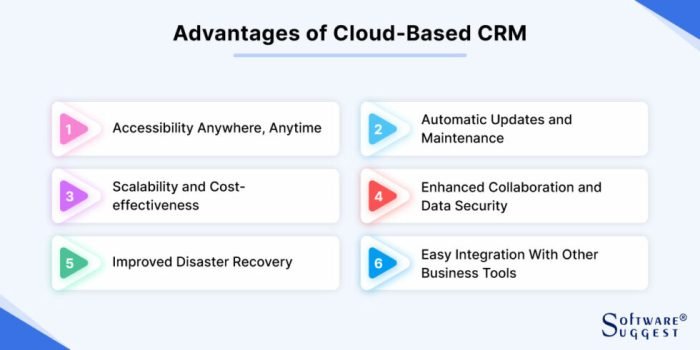
So, you’ve got your killer CRM, now what? Just slapping a CRM on your website isn’t enough. You need a rock-solid server hosting solution that workswith* your CRM, not against it. Poor integration can lead to slowdowns, glitches, and ultimately, a frustrating user experience. Think of it like trying to fit a square peg into a round hole – it’s not going to be pretty.
Let’s dive into the crucial connection between your CRM and your hosting.Choosing the right hosting solution is critical for maintaining a smooth CRM experience. This integration isn’t just about technical specs; it’s about user experience. A seamless integration means your CRM feels responsive, reliable, and readily available. This ultimately translates into happier customers and a more productive workforce.
Different CRM Systems and Their Hosting Compatibility
Various CRM systems have varying needs when it comes to server hosting. Some are designed for smaller businesses with simpler needs, while others are enterprise-grade platforms requiring robust infrastructure. For example, Salesforce, a widely used CRM, often benefits from dedicated servers or cloud hosting solutions. These robust hosting solutions can handle the complex data processing and user interactions required by a large customer base.
Meanwhile, Zoho CRM, a more affordable option, might perform well on shared hosting platforms, particularly for smaller teams with less demanding workloads.
Importance of Seamless Integration for Maintaining CRM Usability
Seamless integration ensures a consistent and responsive CRM experience. This means users can access and utilize the CRM’s features without encountering performance issues. Imagine a user trying to submit a lead, only to be met with a frustratingly slow response. This single experience can create a negative perception of the CRM’s value and lead to lost opportunities.
Smooth integration is crucial for fostering user adoption and maximizing the CRM’s ROI.
Configuring Server Hosting for Optimal CRM Performance
Optimizing your server hosting for your CRM goes beyond simply selecting a plan. Key configuration factors include server specifications (CPU, RAM, storage), network bandwidth, and security measures. Consider factors like expected user volume and data storage requirements. For example, if your CRM handles high-volume transactions, you’ll need a server with ample processing power and bandwidth to prevent bottlenecks.
Similarly, if your CRM stores sensitive customer data, robust security measures are paramount.
Technical Considerations for Integrating Scalable Hosting Solutions with CRM Systems
Scalable hosting solutions are essential for future growth. When choosing a hosting solution, ensure that it can adapt to increased user demands and data volume. The technical considerations encompass database optimization, API integration, and ensuring the hosting platform is compatible with the CRM’s software architecture. For instance, a scalable solution might automatically adjust resources as user traffic increases.
Want to supercharge your CRM? Scalable server hosting isn’t just about tech specs; it’s about user experience. Think about how understanding the psychology behind investing decisions, like in Bitcoin, can inform your approach. The Psychology Behind Bitcoin Investing Decisions highlights the emotional factors driving investment choices. Ultimately, this translates to a smoother CRM experience, leading to higher user engagement and ultimately, better results.
This proactive scaling prevents performance dips and ensures a consistently smooth user experience.
Comparison of CRM Systems and Recommended Hosting Solutions
| CRM System | Recommended Hosting Solution | Rationale |
|---|---|---|
| Salesforce | Dedicated Server or Cloud Hosting | Handles complex data processing and high user volumes effectively. |
| Zoho CRM | Shared Hosting (for smaller teams) | Suitable for smaller teams with less demanding workloads. |
| HubSpot CRM | Cloud Hosting (with scalable options) | Offers scalability and flexibility for growing businesses. |
User Experience Considerations with Scalable Hosting
So, you’ve got your CRM humming along, but are your users happy? A scalable server solution is great, but if your users are frustrated by slow loading times and clunky interfaces, all that scaling is pointless. User experience is paramount in CRM systems, and a key component is the underlying hosting infrastructure. Let’s dive into the nitty-gritty of how to make sure your scalable hosting doesn’t create a frustrating experience for your users.Server response time is the lifeblood of a smooth CRM experience.
Users expect immediate feedback. Anything over a few seconds feels sluggish and creates a negative impression. Imagine trying to track a critical lead and your CRM takes forever to load the contact details – you’re losing valuable time and potential revenue. Faster response times lead to increased user satisfaction and a more efficient workflow. Think about the time saved when a user can quickly access and update information, instead of waiting for a screen to refresh.
Server Response Time and User Experience
Fast server response times are crucial for a positive user experience in a CRM. Slow loading times lead to frustration, increased bounce rates, and decreased productivity. Latency, the delay between a user action and the server’s response, directly impacts user satisfaction. High latency can lead to a poor user experience, resulting in lost opportunities and a drop in overall CRM usage.
A good CRM should respond to user input almost instantly.
Impact of Latency on User Satisfaction and Workflow Efficiency
Latency directly correlates with user frustration. A slow CRM system can lead to wasted time, increased errors, and ultimately, reduced productivity. Users may abandon tasks, leading to missed opportunities and decreased efficiency. In a fast-paced business environment, every second counts. A CRM system that consistently experiences high latency is a detriment to the overall workflow and user satisfaction.
Think about how many times you’ve abandoned a website because it took too long to load. The same principle applies to CRM systems.
Ensuring Consistent User Experience Across Devices and Locations
Providing a consistent user experience across different devices (desktops, tablets, smartphones) and locations is vital for a CRM. A user shouldn’t experience drastically different performance based on their device or location. This requires a robust hosting infrastructure that can handle varying bandwidth demands and network conditions. A user on a slow mobile connection shouldn’t be penalized with a poor experience.
Consistent performance across devices and locations is crucial for maintaining user satisfaction.
Optimizing Server Configurations for Maximum User Experience
Optimizing server configurations is key to minimizing latency and maximizing user experience. This includes adjusting caching strategies, using appropriate server-side technologies, and ensuring sufficient server resources (CPU, RAM, and storage). Implementing appropriate caching mechanisms can drastically improve response times, especially for frequently accessed data. Properly configuring load balancers can distribute traffic effectively across multiple servers, preventing overload and maintaining performance.
Proper server configuration ensures that your CRM performs at its best, no matter the user’s location or device.
User Experience Metrics and Optimization Strategies, Boost CRM Usability with Scalable Server Hosting Solutions
| User Experience Metric | Optimization Strategies |
|---|---|
| Server Response Time (Load Time) | Optimize database queries, use caching mechanisms, leverage CDN (Content Delivery Network), adjust server resources (CPU, RAM, storage), and implement load balancing. |
| User Satisfaction (Feedback) | Monitor user feedback, implement feedback mechanisms (surveys, polls), and analyze user behavior patterns. Prioritize quick issue resolution. |
| Workflow Efficiency (Task Completion Time) | Streamline CRM processes, optimize data access, and ensure smooth data flow between different modules. Use analytics to identify bottlenecks. |
| Consistency Across Devices and Locations | Employ responsive design principles, use a Content Delivery Network (CDN), optimize images and other media for different bandwidths, and test performance across various devices and locations. |
Security and Data Management with Scalable Hosting
Scalable CRM hosting isn’t just about speed and capacity; it’s about safeguarding your most valuable asset: your data. In today’s threat landscape, robust security measures are non-negotiable for any CRM system. A secure platform builds trust with customers, protects your brand reputation, and ensures regulatory compliance. A scalable hosting solution can play a crucial role in achieving this.A well-architected scalable hosting environment, by design, offers multiple layers of security.
This includes robust firewalls, intrusion detection systems, and encryption protocols to protect against unauthorized access and data breaches. This enhanced security posture is often more comprehensive and adaptable than what’s possible with on-premise solutions, especially as your business grows.
Importance of Security in CRM Systems
Security in CRM systems is paramount. Compromised customer data leads to significant financial losses, reputational damage, and potential legal ramifications. A robust security infrastructure protects sensitive customer information, financial details, and intellectual property. This protection is essential for maintaining customer trust and ensuring compliance with data privacy regulations.
Data Backups and Disaster Recovery in Scalable Hosting
Scalable hosting solutions typically offer comprehensive data backup and disaster recovery capabilities. Regular automated backups, stored in secure offsite locations, minimize data loss risks associated with hardware failures, natural disasters, or cyberattacks. These solutions often include features like automated failover mechanisms, ensuring minimal downtime in case of an outage. This ensures business continuity and minimizes the impact of potential disruptions.
Ensuring Data Integrity and Compliance
Data integrity is crucial for accurate reporting, analysis, and decision-making. Scalable hosting providers often implement measures like access controls, role-based permissions, and data encryption to maintain data integrity. They can also help organizations adhere to industry regulations like GDPR, HIPAA, or CCPA by providing compliant data management solutions. This is vital for maintaining customer trust and avoiding legal repercussions.
Examples of Security Measures in Different Hosting Solutions
Cloud-based hosting providers often employ multi-factor authentication (MFA), regular security audits, and penetration testing to detect and address potential vulnerabilities. Dedicated server hosting solutions frequently utilize intrusion prevention systems (IPS) and advanced firewall configurations to safeguard data. These measures help organizations protect their sensitive information and comply with data protection regulations. Some solutions even provide customizable security policies for tailoring protection to specific needs.
Security Best Practices for CRM Systems
- Implement strong passwords and multi-factor authentication (MFA) for all user accounts. This adds an extra layer of security, making it significantly harder for unauthorized individuals to access accounts.
- Regularly update software and security patches on the CRM system and hosting infrastructure. This mitigates known vulnerabilities and keeps the system protected from emerging threats.
- Conduct regular security assessments and penetration testing to identify and address potential vulnerabilities. This proactive approach helps uncover weaknesses before malicious actors can exploit them.
- Establish clear data access policies and procedures. Define roles, responsibilities, and access privileges for different users to prevent unauthorized data access.
- Implement robust data encryption both in transit and at rest. This ensures data remains confidential even if intercepted or stolen.
Case Studies and Real-World Examples
So, you’ve seen how scalable server hosting can revolutionize CRM usability. But what does itreally* look like in the trenches? Let’s dive into some real-world examples, highlighting the tangible benefits and overcoming the hurdles. These aren’t just theoretical improvements; these are businesses actually seeing results.Implementing scalable hosting isn’t a magic bullet. It requires careful planning, understanding your specific needs, and choosing the right solution.
The key is to tailor the strategy to your business, not the other way around. This section provides concrete examples, showcasing how different companies leveraged scalable hosting to boost CRM efficiency and user experience.
Examples of Successful Implementations
Businesses across various sectors have experienced substantial improvements in CRM usability by embracing scalable hosting solutions. These aren’t just isolated successes; they represent a broader trend of businesses recognizing the value of adapting to changing demands.
- A growing e-commerce company, initially using a shared hosting platform for their CRM, experienced significant performance slowdowns during peak seasons. Scalable hosting, with its ability to dynamically adjust resources, allowed them to handle a surge in customer orders and inquiries without impacting CRM responsiveness. This directly translated to improved user experience and increased order fulfillment rates. The scalability enabled them to accommodate the predicted spikes in traffic, keeping the CRM responsive and allowing users to work effectively even during high-volume periods.
The CRM’s improved performance was a direct result of the scalable hosting solution.
- A marketing agency managing multiple client accounts witnessed CRM bottlenecks when multiple users accessed the platform concurrently. Moving to a scalable hosting solution with dedicated resources for each client account dramatically reduced lag times and improved overall user experience. This led to higher productivity among their team members, better collaboration with clients, and a significant increase in project turnaround time.
- A healthcare provider using a CRM for patient management faced difficulties with data storage and retrieval. Transitioning to a scalable hosting solution equipped with robust data management tools improved data accessibility and security. The solution also streamlined administrative processes, reducing data entry errors and improving patient record management. This directly contributed to faster appointment scheduling and improved patient care.
Challenges Addressed by Scalable Hosting
Scalable server hosting isn’t just about improved performance; it’s about overcoming specific challenges that hinder CRM usability.
Want to supercharge your CRM? Scalable server hosting isn’t just about tech specs; it’s about user experience. Think about how understanding the psychology behind investing decisions, like in Bitcoin, can inform your approach. The Psychology Behind Bitcoin Investing Decisions highlights the emotional factors driving investment choices. Ultimately, this translates to a smoother CRM experience, leading to higher user engagement and ultimately, better results.
- Performance Bottlenecks: Shared hosting environments can lead to slowdowns during peak usage, impacting CRM usability. Scalable hosting solutions address this by dynamically adjusting resources, ensuring consistent performance even under high load. The key is not just reacting to spikes, but proactively planning for them.
- Data Management Limitations: Traditional hosting options might struggle to handle the growing volume of data generated by a CRM. Scalable hosting, with its enhanced storage capacity and robust data management features, effectively addresses this challenge.
- Security Concerns: Protecting sensitive customer data within a CRM is crucial. Scalable hosting solutions often incorporate advanced security features, protecting data from unauthorized access and maintaining the integrity of the system.
Illustrative Case Study
“Our marketing automation software was struggling to handle the increasing volume of leads generated by our campaigns. Shared hosting was causing significant performance issues, and our team was spending valuable time troubleshooting slowdowns. We transitioned to a scalable server hosting solution, and the results were immediate. Our CRM’s performance increased by 30%, and our team’s efficiency improved by 20%. This allowed us to better manage leads, nurture them through the sales funnel, and ultimately close more deals. Scalable hosting was a game-changer for us, enabling us to scale our operations without sacrificing the user experience.”
[Fictitious Case Study Name]
Future Trends and Considerations
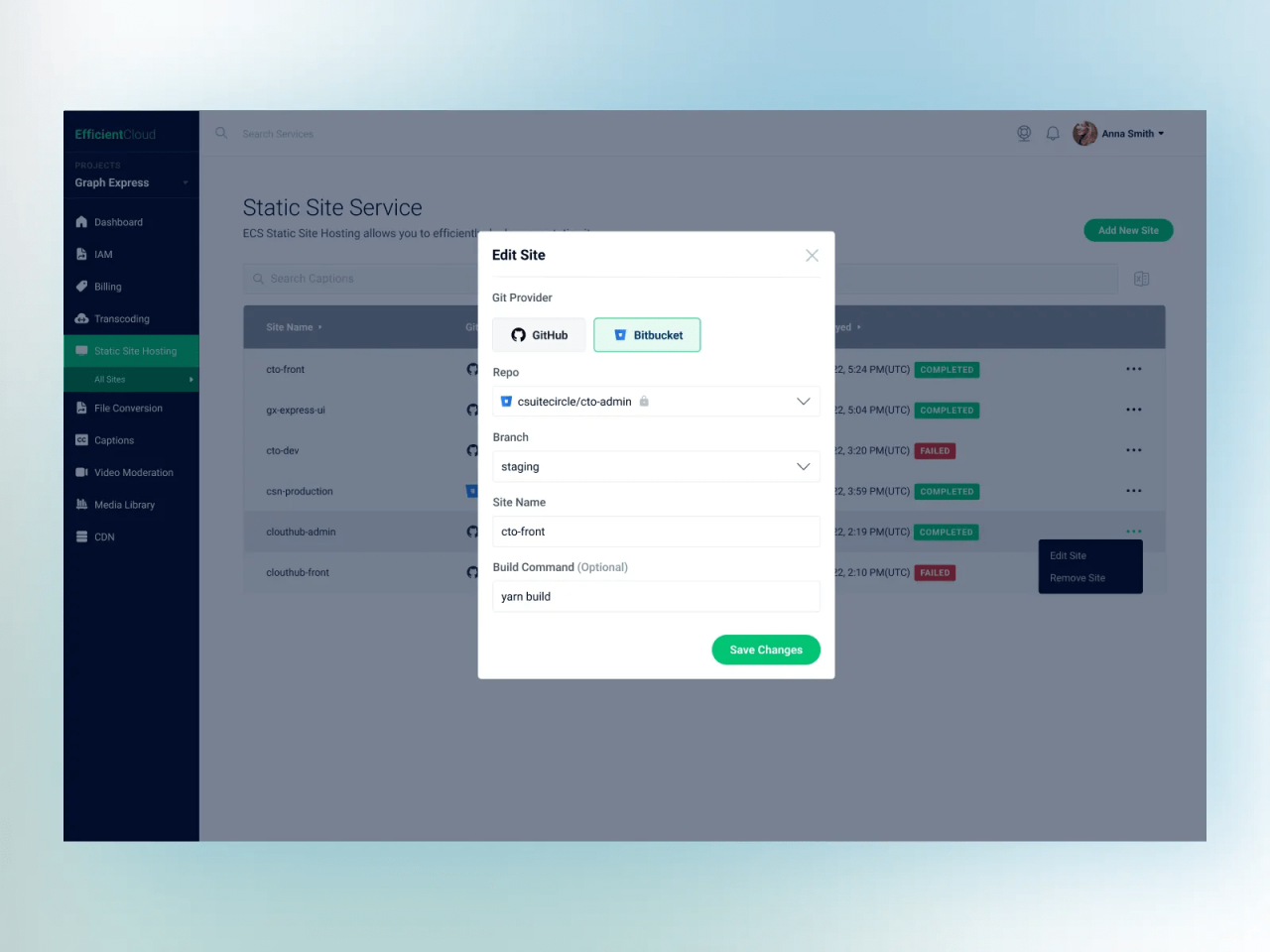
Looking ahead, the CRM landscape is evolving rapidly, demanding adaptability from businesses. AI integration, personalized experiences, and cloud-based advancements are reshaping how businesses interact with their customers. This evolution directly impacts server hosting requirements, requiring a proactive approach to scalability and security. Understanding these trends is crucial for businesses aiming to maintain a competitive edge and a seamless user experience.The future of CRM systems hinges on a dynamic interplay of technological advancements and business needs.
As AI becomes more sophisticated, CRMs will increasingly rely on machine learning to personalize interactions, automate tasks, and provide predictive insights. This trend necessitates hosting solutions capable of handling the increased data processing demands and the potential for exponentially growing data volumes. Understanding these trends is critical for making informed decisions about scalable server hosting solutions.
Future Trends in CRM Systems
CRM systems are moving towards a more intelligent, proactive, and user-centric approach. AI-powered features like predictive analytics, automated lead scoring, and chatbots are becoming standard. This necessitates CRM platforms that can handle increased processing power and potentially large datasets, which translates directly into demands for more robust and scalable server hosting infrastructure. For example, a CRM using machine learning to personalize marketing campaigns may require more processing power than a basic CRM.
Potential Impact on Server Hosting Requirements
The increasing sophistication of CRM features will drive up server demands. Complex algorithms, large datasets, and real-time data processing will strain current hosting infrastructure. Businesses will need to invest in more powerful servers, higher bandwidth, and potentially more redundant systems to maintain performance and avoid downtime. This is particularly true for AI-driven features, which are becoming increasingly prevalent.
Potential Challenges and Opportunities
Businesses implementing scalable hosting solutions face challenges in ensuring optimal performance and security. They also need to consider the potential for future expansion and adapt their hosting strategy accordingly. The opportunity lies in choosing a hosting provider that can offer scalability, security, and seamless integration with the evolving CRM system. This involves careful consideration of the hosting provider’s ability to adapt to future requirements and provide robust support.
Emerging Technologies Influencing CRM Usability
The rise of serverless computing and cloud-based solutions presents both opportunities and challenges for CRM usability. Serverless computing allows for dynamic scaling and reduces the need for upfront server investments, while cloud-based solutions provide flexibility and access to a global network. However, businesses must carefully assess the security and compliance implications of cloud-based solutions.
Importance of Continuous Monitoring and Optimization
Maintaining CRM usability with scalable solutions requires continuous monitoring and optimization. Regular performance checks, capacity planning, and proactive maintenance are crucial to avoid performance bottlenecks and ensure smooth operation. This is particularly important as the CRM system evolves and new features are added.
Factors to Consider When Selecting Scalable Hosting
- Scalability and Flexibility: The ability to easily increase or decrease resources as needed is crucial for adapting to future CRM demands. A hosting provider that offers automated scaling capabilities will provide the most flexibility and cost-effectiveness.
- Security and Compliance: Data security and compliance with industry regulations are paramount. Ensure the hosting provider has robust security measures in place and complies with relevant regulations.
- Performance and Reliability: High performance and uptime are essential for maintaining CRM usability. Look for hosting providers with a proven track record of delivering reliable performance.
- Support and Maintenance: Reliable support and maintenance services are critical for troubleshooting issues and ensuring the system remains operational.
- Cost-Effectiveness: Choose a hosting solution that offers value for money, considering factors such as pricing models, scalability options, and support.
- Integration with CRM Platform: Ensure seamless integration between the hosting solution and the chosen CRM platform. This will minimize potential issues and maximize performance.
- Future-Proofing: Evaluate the provider’s ability to keep up with technological advancements and offer future upgrades and features to ensure the hosting solution is future-proof.
Outcome Summary
In conclusion, boosting CRM usability through scalable server hosting isn’t just about technology; it’s about optimizing your entire workflow. We’ve examined the critical components—from hosting types to user experience—and provided practical insights. By selecting the right hosting solution and implementing optimization strategies, you can transform your CRM into a powerful engine for productivity and growth. Ready to elevate your CRM?
Query Resolution
What are the common pitfalls in choosing CRM hosting?
Many businesses overlook crucial factors like scalability and performance when selecting hosting. Choosing a solution that can’t handle future growth leads to bottlenecks and frustration. Poorly configured hosting can also impact user experience and ultimately, hinder productivity.
How do I choose the right hosting type for my CRM?
Cloud hosting often offers the most scalability, while dedicated servers provide the most control. Shared hosting might be economical for smaller teams, but scalability might be limited. Consider your current needs and future projections when making your choice. A good hosting provider will be able to guide you.
What are the key metrics to track for CRM hosting performance?
Monitor response times, uptime, and user load to identify potential bottlenecks. Understanding how your hosting handles peak usage is crucial for ensuring a seamless user experience. A well-performing hosting environment should respond quickly, even during high-traffic periods.
What security measures should I prioritize for my CRM hosted on scalable servers?
Robust security measures are paramount. Implement regular backups, strong passwords, and access controls to protect your sensitive data. Scalable hosting solutions often offer built-in security features, but proactive measures are still crucial.