Simplifying CRM Maintenance with Managed Server Hosting Services is crucial for businesses looking to optimize their operations. CRM systems are complex, demanding constant maintenance. From data backups to performance optimization, managing a CRM in-house can be a significant time and resource drain. Managed server hosting solutions offer a streamlined approach, handling the technical complexities so you can focus on what matters most: growing your business.
This guide dives deep into the benefits, from cost savings and enhanced security to improved performance and scalability.
This comprehensive guide explores the practical aspects of integrating managed server hosting to simplify your CRM maintenance. We’ll cover everything from understanding the challenges of traditional CRM maintenance to implementing managed hosting solutions, ensuring your CRM system is running smoothly and efficiently.
Introduction to CRM Maintenance Challenges
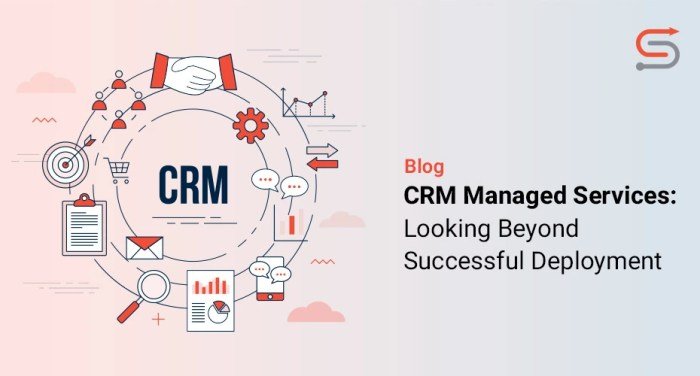
CRM systems are the lifeblood of many businesses, but their maintenance often becomes a significant headache. From data migration nightmares to user training frustrations, businesses face a myriad of challenges in keeping their CRM systems running smoothly and effectively. Failing to address these issues can lead to lost productivity, decreased sales, and ultimately, a dent in the bottom line.
Understanding these challenges is the first step toward finding solutions.The impact of poorly maintained CRM systems extends beyond simple inconvenience. Slow response times, inaccurate data, and user confusion can lead to lost sales opportunities, decreased customer satisfaction, and a general decline in productivity. Imagine a sales team struggling to access the correct customer information or a support team spending hours tracking down unresolved issues – that’s the direct consequence of neglected CRM maintenance.
Common CRM Maintenance Difficulties
Businesses encounter a range of hurdles when maintaining their CRM systems. These difficulties often stem from a combination of factors, including the complexity of the software, the volume of data, and the ever-changing needs of the business. Key difficulties include:
- Data Integrity Issues: Inaccurate or incomplete data can lead to incorrect reporting, poor decision-making, and ultimately, lost revenue. Outdated or duplicate records are common problems, especially as businesses grow and integrate data from various sources.
- User Adoption and Training: A CRM system is only as effective as the users who utilize it. If employees are not properly trained or don’t adopt the system effectively, the CRM will fail to deliver on its intended benefits.
- System Updates and Upgrades: Keeping up with regular system updates and upgrades is crucial for security and functionality, but it often involves time-consuming processes and potential disruptions to workflows.
- Integration Challenges: Integrating the CRM system with other business applications (like accounting software or e-commerce platforms) can be complicated and require specialized technical expertise. Inconsistent data formats or API limitations can cause headaches.
- Security Risks: As CRM systems store sensitive customer data, security breaches can have severe consequences, impacting customer trust and requiring significant financial investment in recovery.
Different Types of CRM Systems and Their Maintenance Needs
The complexity of CRM maintenance often correlates with the type of system used. Understanding the differences between cloud-based and on-premise systems is crucial for effective planning.
- Cloud-based CRM: Cloud-based CRM solutions typically require less in-house maintenance compared to on-premise systems. Vendors often handle updates and security patches, allowing businesses to focus on utilizing the platform. However, businesses must carefully evaluate vendor reliability and service level agreements to ensure their data is protected and the system remains functional.
- On-premise CRM: On-premise CRM systems require significant in-house resources for maintenance, including IT staff to handle updates, security patches, and infrastructure management. This can be a costly investment in terms of both time and resources, but offers greater control over data security and customization.
Comparison of CRM System Maintenance
The following table highlights the key differences in maintenance requirements between cloud-based and on-premise CRM systems.
| Feature | Cloud-Based CRM | On-Premise CRM |
|---|---|---|
| Maintenance Responsibility | Primarily handled by the vendor | Handled internally by the business’s IT department |
| Initial Setup Cost | Generally lower upfront costs | Higher upfront costs for software and hardware |
| Ongoing Costs | Subscription fees and potential support costs | Ongoing costs for hardware maintenance, software updates, and IT staff |
| Scalability | Easy to scale resources up or down as needed | Scaling requires significant investment in additional hardware and infrastructure |
| Data Security | Relies on vendor security measures | Requires strong internal security protocols |
Exploring Managed Server Hosting Solutions
Tired of CRM maintenance headaches? Managed server hosting offers a powerful solution to streamline your processes and free up your internal resources. It’s about outsourcing the technical grunt work so you can focus on growing your business, not fixing your servers. This approach shifts the burden of server management from your team to a specialized provider, allowing you to focus on core CRM functionalities.Managed server hosting isn’t just about avoiding technical issues; it’s about leveraging expertise to optimize your CRM environment for peak performance.
By entrusting your server management to professionals, you gain access to a wealth of knowledge and resources that would be difficult, if not impossible, to replicate in-house. This leads to a more stable, secure, and efficient CRM system.
Core Principles of Managed Server Hosting
Managed server hosting operates on a simple principle: a dedicated team handles the server’s infrastructure, maintenance, and security. This includes tasks like software updates, security patching, hardware monitoring, and performance optimization. This frees your team from these technical complexities, allowing them to concentrate on CRM-specific tasks. It’s like having a dedicated IT support team without the overhead of hiring and training staff.
How Managed Hosting Streamlines CRM Maintenance
Managed hosting simplifies CRM maintenance by automating many routine tasks. This reduces the time and resources spent on mundane maintenance, freeing up your team to concentrate on other important aspects of your CRM strategy. Automating routine tasks like backups, software updates, and security patching, ensures your CRM data remains protected and accessible. This proactive approach minimizes downtime and reduces the risk of data loss.
In short, you get a more reliable CRM system, with less hassle.
Different Managed Hosting Service Models
Managed hosting services come in various models, each tailored to specific needs and budgets. These models differ based on the level of support and services provided. The fundamental models include:
- Dedicated Server Management: This model provides complete management of a dedicated server, including operating system updates, security patching, and performance optimization. It’s a comprehensive approach ideal for businesses with substantial CRM data or demanding applications. You get full control over your environment with expert support for handling any challenges.
- Virtual Private Server (VPS) Management: VPS hosting provides a virtualized server environment, offering a cost-effective alternative to dedicated servers. Managed VPS services handle the maintenance and security of the virtual machine, including operating system updates and security patches, all within a shared hosting infrastructure. This solution is appropriate for medium-sized businesses with a growing CRM.
- Cloud-Based CRM Hosting: This model leverages cloud infrastructure to host your CRM data and applications. It offers a high degree of scalability and flexibility, enabling businesses to easily adjust resources based on their evolving needs. It’s often an excellent choice for startups and companies with fluctuating data demands. This is ideal for organizations that prefer a pay-as-you-go, scalable approach.
Benefits and Drawbacks of Managed Hosting Solutions
The choice of managed hosting solution depends heavily on the specific needs of your CRM system and budget. Here’s a table summarizing the benefits and drawbacks of different managed hosting models:
| Managed Hosting Solution | Benefits | Drawbacks |
|---|---|---|
| Dedicated Server Management | Maximum control, high performance, tailored configurations | Higher upfront costs, potential for under-utilization if not properly planned |
| VPS Management | Cost-effective, scalable, good balance between control and cost | Potentially lower performance compared to dedicated servers, shared resources |
| Cloud-Based CRM Hosting | High scalability, flexibility, automatic updates | Dependence on third-party providers, potential security concerns if not properly configured |
Simplifying CRM Data Management
Your CRM is the lifeblood of your business, but managing its data can feel like a never-ending battle. Data integrity, security, and backups are crucial, but often overlooked. Poor data management can lead to lost revenue, frustrated customers, and even regulatory issues. Fortunately, managed hosting services can drastically simplify these tasks, ensuring your CRM data is always safe, secure, and readily available.Managed hosting services take the headache out of data management by providing robust solutions for backups, recovery, and security.
This frees up your internal team to focus on strategic initiatives and revenue-generating activities rather than chasing down data errors or dealing with system outages. Let’s dive into how these services can streamline your CRM data management.
Data Backups and Recovery: A Critical Component
Data backups and recovery are non-negotiable for any CRM system. A well-defined backup and recovery strategy protects your business from catastrophic data loss due to hardware failure, software errors, or even malicious attacks. Without a robust plan, your business could face significant financial and reputational damage. Managed hosting services excel at automating and managing these critical tasks, reducing the risk of data loss.
How Managed Hosting Improves Data Integrity and Security, Simplifying CRM Maintenance with Managed Server Hosting Services
Managed hosting providers implement sophisticated security measures to protect your CRM data. These measures often include encryption, access controls, and regular security audits. They frequently use redundant systems and geographically diverse data centers, ensuring high availability and disaster recovery capabilities. This robust approach guarantees data integrity and significantly reduces the risk of security breaches.
Automating CRM Data Backups
Managed hosting services automate the backup process, eliminating the need for manual intervention. This ensures that backups are consistently performed at scheduled intervals, minimizing the risk of data loss. The automation process often includes features like incremental backups, which only back up the changed data, saving storage space and time. Furthermore, these services often provide options for storing backups offsite, ensuring data protection even in case of local disasters.
Monitoring and Managing Data Access Controls
Robust access control measures are crucial for maintaining data security. Managed hosting services provide tools to monitor and manage user access privileges. These tools allow you to define granular access levels, ensuring only authorized personnel can access specific data. This approach prevents unauthorized access and data breaches, maintaining the confidentiality and integrity of your sensitive information. You can further control who has access to specific data points, which is vital for compliance with industry regulations and internal policies.
Backup and Recovery Strategies for CRM Data
| Strategy | Description | Advantages | Disadvantages |
|---|---|---|---|
| Full Backup | A complete copy of all data is made. | Ensures a complete recovery point. | High storage requirements and time-consuming. |
| Incremental Backup | Only the changed data is backed up. | Reduces storage space and time required. | Requires a full backup as a starting point for recovery. |
| Differential Backup | Backs up all changes since the last full backup. | Reduces storage space compared to full backups. | Requires a full backup to restore data. |
| Cloud-Based Backup | Backups are stored in a remote cloud environment. | Improved disaster recovery and accessibility. | Requires a reliable internet connection. |
This table Artikels various backup strategies, highlighting their pros and cons. Choosing the right strategy depends on your specific needs and budget.
Enhanced Performance and Scalability: Simplifying CRM Maintenance With Managed Server Hosting Services
Tired of your CRM feeling like a snail in a marathon? Managed hosting services are the secret weapon to supercharge your CRM performance and ensure it can handle your growing business needs. With the right infrastructure, your CRM can become a lightning-fast, reliable powerhouse. Let’s dive into how managed hosting solutions can revolutionize your CRM experience.Managed hosting services offer a significant performance boost by optimizing server resources.
This isn’t just about throwing more hardware at the problem; it’s about strategic allocation of resources to handle specific CRM tasks efficiently. By automating server maintenance and optimizing configurations, managed hosting providers ensure your CRM runs smoothly and consistently, delivering faster response times and improved user experience.
Server Resource Optimization for CRM Performance
Properly configured server resources are critical for CRM performance. High-performance CPUs, ample RAM, and robust storage solutions are essential to handle complex queries, large datasets, and numerous concurrent users. Managed hosting providers often have access to cutting-edge hardware and configurations, enabling them to fine-tune these resources for optimal CRM performance.
Scalability and Efficient Resource Allocation
Scaling CRM resources effectively is crucial for growth. A CRM designed for 100 users can become a bottleneck when you hit 1,000. Managed hosting services offer flexible scaling solutions, allowing you to easily increase or decrease server resources as your needs evolve. This adaptability avoids performance dips and ensures smooth transitions as your business expands. This dynamic scalability translates into a significant return on investment, allowing you to avoid expensive upgrades and maintain a cost-effective solution.
For example, imagine your e-commerce business experiencing a surge in orders during the holiday season. A well-managed hosting solution can automatically adjust resources to handle the increased load, ensuring your website remains responsive and avoids downtime, crucial for maintaining customer satisfaction and sales.
Impact of Server Performance on User Experience
| Server Performance Level | User Experience |
|---|---|
| Excellent (Low latency, fast response times) | Fast loading times, seamless interactions, minimal delays, enhanced user satisfaction. Users are more likely to complete tasks efficiently and have a positive experience. |
| Good (Moderate latency, acceptable response times) | Moderate loading times, some noticeable delays, potentially impacting user engagement. Users might experience frustration if the response time is too slow. |
| Poor (High latency, slow response times) | Extremely slow loading times, noticeable delays, user frustration and abandonment. Users will likely abandon tasks and seek alternative solutions. |
“High-performing servers are crucial for delivering a positive user experience. Fast loading times and smooth interactions are key to maintaining customer satisfaction.”
Scaling CRM Resources Efficiently with Managed Hosting
Managed hosting services automate the process of scaling CRM resources, ensuring you don’t have to manually adjust configurations. They offer tools and APIs that allow for automated scaling based on predefined metrics like user traffic or data volume. This proactive approach eliminates the need for constant monitoring and manual intervention, saving you valuable time and resources. Furthermore, you can leverage cloud-based infrastructure, which often offers highly scalable solutions, ensuring that your CRM resources can adapt to fluctuations in demand with ease.
Cost-Effectiveness and Efficiency
Tired of spending a fortune on CRM maintenance? You’re not alone. Many businesses struggle with the escalating costs and time commitments associated with in-house CRM upkeep. Managed hosting offers a smarter, more cost-effective alternative, freeing up your internal resources and potentially saving you significant dollars.Managed server hosting solutions dramatically reduce the overhead associated with CRM maintenance, allowing businesses to focus on core competencies instead of IT complexities.
This shift in focus unlocks substantial cost savings and significantly improves operational efficiency, ultimately boosting ROI.
Tired of CRM maintenance headaches? Managed server hosting services simplify things dramatically. They handle the technical stuff, freeing you up to focus on what matters most – growing your business. This leads to a significant CRM performance boost, as detailed in CRM Performance Boost: The Power of Managed Server Hosting. Ultimately, simplifying your CRM maintenance with the right hosting solution means less stress and more time for what truly drives results.
Reducing CRM Maintenance Costs with Managed Hosting
Managed hosting services take on the responsibility of maintaining and managing your CRM infrastructure. This includes tasks like server administration, security updates, backups, and performance optimization. By outsourcing these responsibilities, you eliminate the need for dedicated in-house IT staff or contractors, reducing personnel costs and associated benefits packages. This allows you to allocate your internal resources to revenue-generating activities.
Comparing In-House CRM Maintenance Costs
In-house CRM maintenance requires significant investment in hardware, software, and dedicated personnel. This often includes salaries, benefits, training, and ongoing equipment upgrades. These costs can quickly add up, especially with the ever-increasing complexity of modern CRM systems. In contrast, managed hosting services offer a predictable monthly fee, making budgeting and forecasting far more straightforward.
Optimizing CRM Maintenance Resources
Managed hosting solutions can optimize your CRM maintenance resources in several key ways. By automating routine tasks, such as backups and security updates, managed services free up your internal IT team to focus on more strategic initiatives. This proactive approach to maintenance can minimize downtime and system failures, preventing costly disruptions to your business operations. Essentially, you’re trading reactive maintenance for proactive optimization.
Tired of CRM maintenance headaches? Managed server hosting services simplify the process, freeing up your team to focus on core CRM functions like improving workflows. This directly translates to better efficiency and a more streamlined approach to CRM management, like what’s discussed in detail in Streamlining CRM Workflows with Reliable Server Hosting. Ultimately, simplifying CRM maintenance with a managed hosting solution boosts your bottom line and keeps your CRM running smoothly.
Projected Cost Savings
The following table illustrates the potential cost savings associated with migrating to a managed hosting service, using a hypothetical example. The data assumes a medium-sized business with a complex CRM system.
| Cost Category | In-House (Annual) | Managed Hosting (Annual) | Savings |
|---|---|---|---|
| Personnel Costs | $50,000 | $15,000 | $35,000 |
| Hardware & Software | $20,000 | $10,000 | $10,000 |
| Maintenance & Support | $10,000 | $5,000 | $5,000 |
| Downtime Costs (estimated) | $15,000 | $0 | $15,000 |
| Total Annual Savings | $65,000 |
Note: Actual savings may vary based on specific business needs and the chosen managed hosting provider.
Security Considerations with Managed Hosting
Managed hosting isn’t just about convenience; it’s about robust security. When you hand over your CRM’s upkeep to a dedicated provider, you’re gaining access to advanced security measures often beyond your individual capabilities. This includes proactive threat detection, regular updates, and dedicated security expertise, ultimately minimizing the risk of data breaches and downtime.Managed hosting providers prioritize security not just as a feature, but as a core competency.
They invest heavily in cutting-edge security infrastructure, employing advanced technologies to safeguard your CRM data from a wide array of potential threats. This commitment to security translates to peace of mind for you, allowing you to focus on growing your business rather than worrying about data breaches.
Security Measures Implemented by Managed Hosting Providers
Managed hosting providers implement a multi-layered approach to security, often exceeding the security measures a single business could afford or maintain. This includes employing robust firewalls, intrusion detection systems, and regular vulnerability assessments to identify and address potential weaknesses. These systems continuously monitor for suspicious activity and automatically respond to threats.
How Managed Hosting Safeguards CRM Data from Threats
Managed hosting providers employ various methods to safeguard CRM data. These include encrypting data both in transit and at rest, implementing multi-factor authentication (MFA) for enhanced user access control, and utilizing advanced threat intelligence to stay ahead of evolving cyber threats. They regularly patch and update systems to close security loopholes. By employing these proactive measures, managed hosting significantly reduces the risk of data breaches and ensures the confidentiality, integrity, and availability of your CRM data.
Importance of Regular Security Audits and Updates in a Managed Hosting Environment
Regular security audits and updates are crucial in a managed hosting environment. These audits help identify potential vulnerabilities in the system, allowing for timely remediation and reducing the risk of exploits. Updates ensure the security infrastructure is up-to-date with the latest threat intelligence and security patches, strengthening the defense against emerging threats. Proactive audits and updates, handled by the hosting provider, are an integral part of maintaining a secure environment.
Security Protocols Offered by Different Managed Hosting Providers
The security protocols offered by different managed hosting providers vary. Here’s a table highlighting some common security protocols and practices:
| Managed Hosting Provider | Firewall Protection | Data Encryption | Security Audits | Regular Updates |
|---|---|---|---|---|
| Provider A | Advanced firewall with intrusion prevention system | Full disk encryption | Monthly security audits | Weekly system updates |
| Provider B | Cloud-based firewall with automatic threat detection | Data encryption at rest and in transit | Quarterly security assessments | Bi-weekly system updates |
| Provider C | Hardware firewall with advanced threat intelligence | 256-bit encryption | Bi-annual security audits | Monthly system updates |
This table provides a snapshot of security protocols. It’s essential to review the specific security details offered by each provider to choose the best fit for your CRM needs and security requirements. Each provider has its own set of security practices, so thorough research and evaluation are key to selecting the most appropriate solution.
Illustrative Examples of CRM Maintenance

So, you’re thinking about managed hosting for your CRM? Great! But what does that
-actually* look like in the real world? Let’s ditch the theoretical and dive into some real-world examples of businesses – small, medium, and large – who’ve successfully leveraged managed hosting to simplify their CRM maintenance.
Small Business Success Story
Imagine “Cozy Candles,” a small business selling artisanal candles. They were using a DIY CRM solution, which was fine initially. But as their customer base grew, so did the maintenance headaches. Data entry errors crept in, reporting became a nightmare, and security concerns started to surface. Switching to a managed hosting solution allowed Cozy Candles to: automate data backups, scale their CRM effortlessly as needed, and focus on what they do best – creating amazing candles.
They saw a significant boost in efficiency and a reduction in operational costs, which they could reinvest in expanding their product line.
Medium-Sized Company Migration
Now, let’s look at “TechGear,” a medium-sized tech company. They were using a legacy CRM system that was becoming increasingly difficult to maintain. Regular updates were causing compatibility issues, and their IT team was stretched thin. Migrating to a managed hosting solution brought significant benefits. Their CRM was hosted on a robust platform, allowing them to perform regular updates without downtime.
The result? Faster, more reliable customer service, improved data accuracy, and a freed-up IT department that could focus on strategic projects instead of firefighting CRM issues.
Large Corporation Streamlining
Finally, let’s consider “GlobalSolutions,” a large corporation with a complex, global CRM system. Their previous approach involved a massive IT department dedicated to CRM maintenance, consuming significant resources. Implementing a managed hosting solution allowed them to centralize their CRM data on a secure, scalable platform. This streamlined processes, improved data accessibility for employees across different time zones, and reduced the need for extensive IT support.
Moreover, the cost savings were substantial, allowing them to allocate funds to other critical business initiatives.
Case Study: Salesforce Managed Hosting
A compelling example lies in using managed hosting for Salesforce. Many companies find the initial setup and ongoing maintenance of Salesforce demanding. Managed hosting providers specialize in Salesforce, handling the complexities of updates, security patches, and performance optimization. This frees up internal resources to focus on business strategy and customer engagement. As a result, companies see a return on investment (ROI) from reduced operational costs and improved CRM efficiency.
They gain the expertise and specialized support they need, and it’s often easier and more cost-effective than trying to handle it in-house.
Technical Aspects of Implementation
Migrating your CRM to a managed hosting environment is a critical step, and it’s not just about the software. You need a solid plan for data transfer, configuration adjustments, and ongoing support. This isn’t rocket science, but a well-executed migration ensures minimal downtime and a smooth transition for your team. Let’s dive into the technical details.
CRM Migration Procedure
A successful CRM migration hinges on a meticulously planned procedure. This involves several key steps, each crucial for a seamless transition. Thorough preparation is paramount.
- Assessment and Planning: Before moving a single file, conduct a comprehensive assessment of your current CRM setup. Identify all data points, configurations, and integrations that need migration. Create a detailed migration plan, outlining timelines, responsibilities, and potential roadblocks. This is your roadmap to success.
- Data Backup and Validation: Regular backups of your CRM data are non-negotiable. Ensure you have a complete, recent backup of your current CRM system. Validate the backup’s integrity. This ensures you have a reliable fallback point if anything goes wrong during the migration process. Don’t skimp on this step!
- Server Configuration and Preparation: The managed hosting provider will guide you in configuring the new server. This includes setting up necessary user accounts, permissions, and database configurations. Thoroughly understand the requirements for the new environment to avoid compatibility issues.
- Data Transfer and Migration: Employ the appropriate tools for transferring data to the new server. This often involves exporting data from your current CRM, converting it to a compatible format, and importing it into the managed server. Consider using specialized data migration tools for efficiency and accuracy.
- Configuration Transfer: Transferring CRM configurations, such as custom fields, workflows, and integrations, is essential. Consult the managed hosting provider’s documentation for the specific process. This ensures the new CRM functions exactly as your team needs it to.
- Testing and Validation: Rigorous testing of the migrated CRM is paramount. Thoroughly test all functionalities, workflows, and integrations. Ensure data integrity and accuracy to prevent issues down the line. Test thoroughly with real users in a controlled environment.
Data Transfer and Configuration Procedures
Data transfer protocols are essential for a smooth migration. Choose the right approach for your specific CRM and managed hosting environment. Properly transferring data and configurations ensures that the new system reflects your existing CRM.
- Exporting Data: Use your CRM’s export functionality to create a comprehensive backup of all data. This often involves exporting data in a standardized format like CSV or SQL. Pay close attention to the nuances of the export process.
- Data Conversion: If necessary, convert the exported data into a format compatible with the managed server. For example, converting data from one database format to another might be required. Proper conversion ensures a seamless import process.
- Import Process: Import the converted data into the managed server’s database. Follow the managed hosting provider’s instructions for data import. Double-check the import process to avoid errors. A dedicated import tool might be used for efficiency.
- Configuration Import: Import the CRM configurations from the old system to the new managed server. This may involve transferring custom fields, workflows, and integrations. The managed hosting provider will have instructions for this step.
Role of Technical Support
Technical support plays a crucial role in the implementation process. They act as your guides, providing assistance and support throughout the migration. Effective communication and collaboration are essential.
- Troubleshooting: Technical support teams can assist in resolving any technical issues encountered during the migration process. They are readily available to answer questions and address concerns.
- Guidance and Consultation: Technical support provides guidance on optimal configuration and setup procedures for the managed hosting environment. They are experts in the system and can provide insights to avoid potential pitfalls.
- Addressing Concerns: Technical support will address any concerns you have about the migration process. They will ensure a smooth transition to a new environment.
Step-by-Step Guide for CRM Migration
A step-by-step approach to migrating your CRM to managed hosting is crucial. This ensures minimal disruption and maximal efficiency. Here’s a structured guide:
- Assessment: Analyze your current CRM setup, including data, configurations, and integrations. Identify dependencies and create a detailed migration plan.
- Backup: Create a comprehensive backup of your CRM data. Validate the backup to ensure data integrity.
- Configuration: Configure the managed server as per the hosting provider’s instructions. Establish necessary user accounts and permissions.
- Data Transfer: Export, convert, and import your data into the managed server. Follow the provider’s instructions meticulously.
- Configuration Transfer: Import all configurations, such as custom fields and workflows, to the new server.
- Testing: Thoroughly test the migrated CRM to ensure all functionalities and integrations are working correctly.
- Validation: Validate data integrity and accuracy. Ensure the migrated CRM meets your business requirements.
Wrap-Up
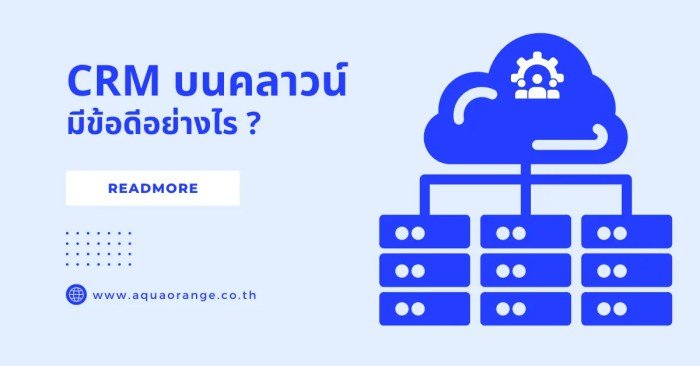
In conclusion, Simplifying CRM Maintenance with Managed Server Hosting Services is a strategic move for businesses seeking to optimize their CRM systems. By outsourcing the technical aspects of maintenance, companies can focus on core business functions, reduce costs, and improve overall efficiency. Managed hosting provides a secure, scalable, and cost-effective solution to streamline your CRM operations, ensuring your data is protected and your team is productive.
Don’t let CRM maintenance hold you back. Embrace managed hosting and experience the difference.
Essential FAQs
What are the typical costs associated with migrating to a managed hosting solution?
Migration costs vary based on factors like the size of your CRM data, the complexity of your system, and the specific managed hosting provider. However, managed hosting often proves more cost-effective in the long run due to reduced in-house maintenance and staffing expenses.
How does managed hosting improve data security?
Managed hosting providers typically implement robust security measures, including firewalls, intrusion detection systems, and regular security audits. They often have specialized security expertise and maintain updated systems, significantly enhancing data protection.
What are the key performance indicators (KPIs) to monitor when using managed hosting for my CRM?
Key KPIs to monitor include server uptime, response times, database query performance, and user session durations. Monitoring these metrics will help identify potential issues and ensure optimal CRM performance.
What is the typical implementation timeline for migrating a CRM to a managed hosting environment?
The implementation timeline depends on factors like the size of your CRM data, the complexity of your system, and the level of technical support required. A skilled managed hosting provider can usually complete the migration process within a few weeks.